TL;DR UX designers who can code bridge the gap between design and development, improving communication, speeding up iteration, and cutting costs. Companies like Airbnb, Atlassian, and Spotify already use this hybrid approach to build better products faster. While challenges exist in developing this skill set, it’s becoming essential for creating truly user-centric digital experiences.
How UX Designers Who Code Are Reshaping Product Teams?
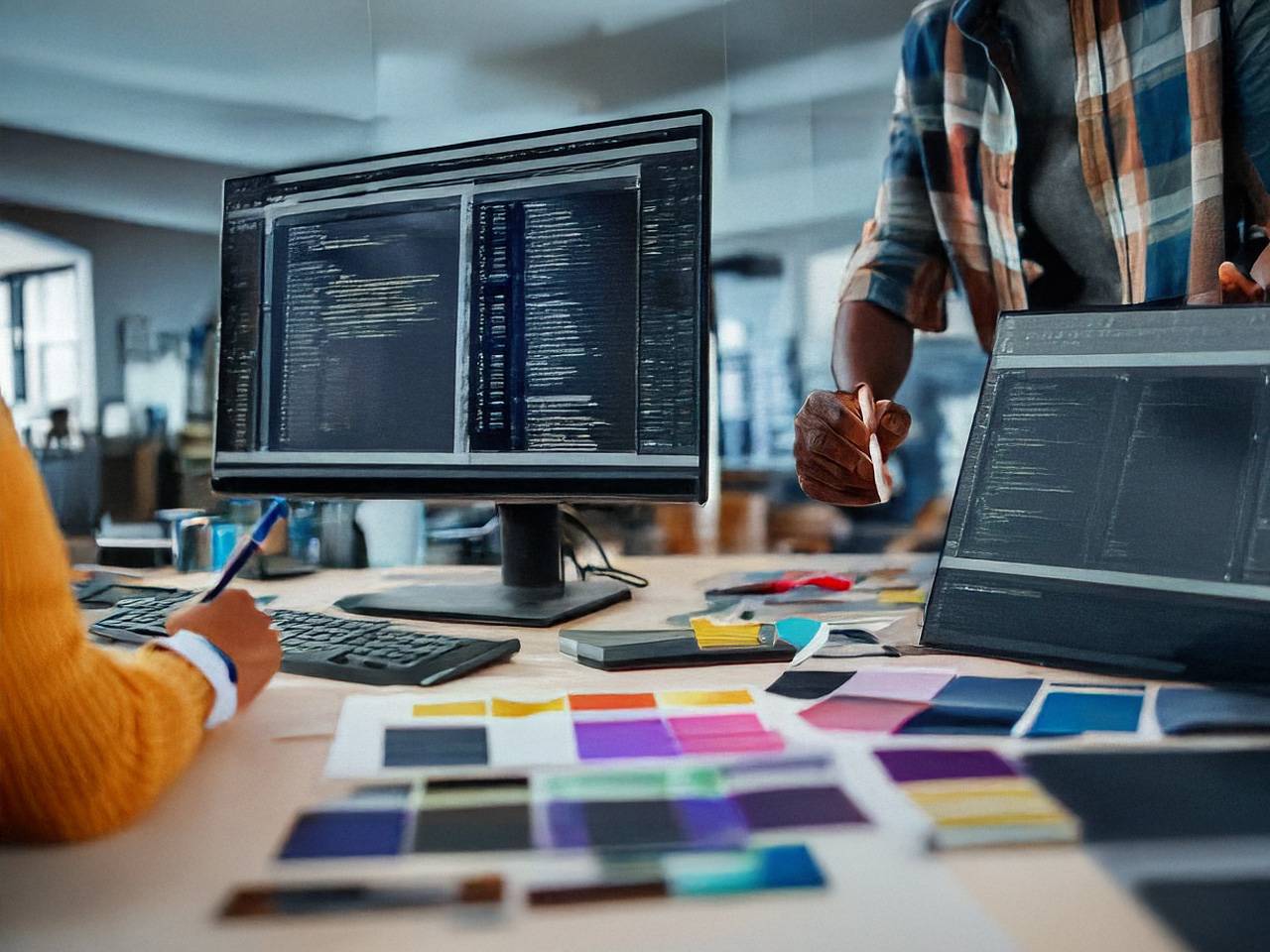
A UX designer who can code possesses a unique skill set that allows them to not only conceptualize and design user interfaces but also bring those designs to life through coding. This hybrid role combines the creative and analytical thinking of a designer with the technical knowledge and problem-solving abilities of a developer. By understanding the intricacies of both design and code, these professionals can effectively bridge the gap between the two disciplines, leading to a more cohesive and efficient product development process.
The ability to code gives UX designers a deeper understanding of the technical constraints and possibilities, allowing them to create designs that are not only visually appealing but also practical and feasible to implement. This holistic approach to design and development results in more seamless and user-centric experiences, as the designer can anticipate and address potential usability and functionality issues early in the process.
The demand for UX designers who can code is on the rise, as businesses recognize the value of having individuals who can contribute to both the design and implementation phases of a project. This trend reflects a shift towards a more integrated and collaborative approach to product development, where the boundaries between design and development are blurred, and cross-functional teams work together towards a common goal.
Can Bridging Design and Code Cut Project Delays?
The marriage of UX design and coding proficiency brings a myriad of benefits to the digital sphere. One of the key advantages is the streamlined communication and collaboration between designers and developers. When a UX designer understands the language of code, they can effectively communicate their design vision to developers, ensuring that the final product aligns with the original intent and is technically feasible.
Furthermore, the ability to prototype and iterate on designs in code empowers UX designers to test and refine their ideas more efficiently. This rapid iteration cycle leads to better-informed design decisions and ultimately results in a more polished and user-friendly end product. By eliminating the back-and-forth between design and development teams, projects can move forward at a faster pace, meeting tight deadlines and staying ahead of the competition.
From a business perspective, the symbiotic relationship between design and code leads to cost savings and increased efficiency. With a UX designer who can code, there is less reliance on external development resources for simple prototyping and front-end implementation, reducing overhead and accelerating time to market. Additionally, the cohesive teamwork between designers and developers fosters a culture of innovation, where cross-disciplinary insights lead to groundbreaking solutions that push the boundaries of user experience.
What are the Challenges Faced by UX Designers and Developers?
Despite the numerous benefits of having UX designers who can code, there are inherent challenges in acquiring and nurturing individuals with this hybrid skill set. Traditional education and training programs often compartmentalize design and development, leading to a lack of exposure to both disciplines. As a result, many UX designers may lack the technical acumen required to code, while developers may not fully understand the principles of user-centered design.
Another challenge lies in finding individuals who excel in both design and code, as these skill sets require different modes of thinking and problem-solving. The demand for UX designers who can code has created a competitive landscape, making it essential for organizations to develop strategies for identifying, hiring, and retaining talent with this valuable skill set.
Furthermore, the fast-paced nature of technology means that both design and development tools and best practices are constantly evolving. UX designers who can code must stay abreast of the latest advancements in design tools, programming languages, and front-end frameworks, adding an extra layer of complexity to their professional development.
Which Advantages Come From Designers Who Code?
The importance of coding skills for UX designers cannot be overstated in today’s digital ecosystem. By understanding code, UX designers gain a deeper appreciation for the technical implications of their design decisions, allowing them to create more realistic and implementable designs. This not only leads to more efficient collaboration with developers but also empowers designers to push the boundaries of what is possible within the constraints of technology.
Moreover, coding skills enable UX designers to create interactive prototypes and proofs of concept, demonstrating the functional aspects of their designs and gathering valuable feedback early in the development process. This iterative approach to design leads to more user-centric solutions, as designers can validate their ideas through real-world interactions and make informed improvements based on user behavior and feedback.
Additionally, coding proficiency equips UX designers with a more comprehensive understanding of accessibility and performance considerations, ensuring that their designs are inclusive and optimized for a wide range of users and devices. This holistic approach to design not only enhances the user experience but also aligns with industry best practices and standards, mitigating potential legal and reputational risks for businesses.
READ MORE: Do You Need to Code to Be a UX Designer in 2026?
Which Tools Power the Design to Development Workflow?
UX designers who can code have a diverse toolkit of design and development tools at their disposal, allowing them to seamlessly transition from concept to implementation. Design tools such as Sketch, Figma, and Adobe XD provide the foundation for creating visually compelling and user-centric interfaces, while prototyping tools like InVision and Axure RP enable designers to bring their static designs to life through interactive prototypes.
On the coding front, proficiency in front-end languages such as HTML, CSS, and JavaScript is essential for translating design concepts into functional user interfaces. Additionally, knowledge of front-end frameworks like React and Vue.js can further enhance a UX designer’s ability to create dynamic and responsive experiences, leveraging pre-built components and interactivity.
Version control systems such as Git play a crucial role in the collaborative nature of design and development, allowing UX designers to work seamlessly with developers and contribute to a shared codebase. Familiarity with design systems and component libraries, such as Material Design and Bootstrap, streamlines the design-to-development handoff, ensuring consistency and efficiency across the entire product ecosystem.
What Makes Cross-Functional Teams Truly Effective?
Effective collaboration between UX designers and developers is the cornerstone of successful design and development integration. Clear communication, mutual respect, and a shared understanding of each other’s roles and responsibilities are essential for fostering a collaborative environment. Regular cross-functional meetings and workshops can facilitate knowledge sharing and alignment on project goals, ensuring that design and development efforts are closely coordinated.
The use of design and development handoff tools, such as Zeplin and Avocode, streamlines the transfer of design assets and specifications from designers to developers, minimizing potential discrepancies and interpretation errors. Additionally, establishing a shared design system and component library promotes consistency and reusability across different parts of a product, fostering a cohesive user experience and reducing redundant work for both designers and developers.
Embracing an agile mindset and iterative approach to design and development encourages ongoing feedback and collaboration, allowing teams to adapt to changing requirements and user needs. Co-located or cross-functional team structures further enhance collaboration, as close proximity and shared workspaces facilitate impromptu discussions and problem-solving, fostering a sense of camaraderie and collective ownership of the product.
How Top Companies Blend Design and Development
Several companies have successfully leveraged the power of UX designers who can code to drive innovation and deliver exceptional user experiences. Airbnb, for example, empowers its design team to contribute directly to the front-end implementation of their designs, blurring the lines between design and development. This approach allows for greater creative freedom and flexibility, as designers can quickly experiment with new ideas and features without being constrained by traditional development handoff processes.
Atlassian, the maker of popular collaboration tools like Jira and Confluence, has embraced a unified design and development approach through its Design System team. This cross-disciplinary team consists of UX designers, front-end developers, and content strategists who work together to create a cohesive and consistent design language across the entire product suite. By involving designers in the implementation phase, Atlassian ensures that design decisions are not only visually appealing but also technically feasible and performant.
Similarly, Spotify has embraced a design and development collaboration model that emphasizes shared ownership and continuous integration. Designers at Spotify are encouraged to contribute to the front-end implementation of their designs, fostering a culture of experimentation and rapid iteration. This approach has led to innovative features and a cohesive user experience across the platform, showcasing the power of integrating design and code within a dynamic and fast-paced environment.
Where to Find Designers Who Think Like Developers
As the demand for UX designers who can code continues to grow, organizations must refine their hiring strategies to attract and retain top talent with this hybrid skill set. Job descriptions and requirements should clearly articulate the expectation for coding proficiency alongside traditional design skills, setting a clear benchmark for potential candidates. Emphasizing the value of cross-disciplinary collaboration and innovation can further attract designers who are passionate about merging design and code.
During the interview process, organizations should assess a candidate’s ability to apply their coding skills to real-world design challenges, gauging their problem-solving approach and technical acumen. Practical exercises and design challenges that require candidates to prototype and implement their designs in code can provide valuable insights into their capabilities and creativity.
In addition to hiring new talent, organizations should invest in upskilling their existing design and development teams to foster a more integrated and collaborative culture. Providing opportunities for continuous learning and professional growth, such as internal workshops, mentorship programs, and tuition reimbursement for relevant courses, demonstrates a commitment to nurturing and retaining talent with hybrid skill sets.
Ultimately, hiring UX designers who can code is not just about finding individuals with technical prowess but also about cultivating a culture of cross-disciplinary collaboration and innovation. By valuing and empowering designers who can bridge the gap between design and development, organizations can elevate their product development capabilities and deliver exceptional user experiences that set them apart in the competitive digital landscape.
Subscribe to Our Design & Development Plan: Save $1500 USD
Subscribe today and get expert UX designer who code, ready to build faster, cut costs, and elevate your product. Claim this offer before it ends.
Cut development costs without cutting quality.